Meet the maker
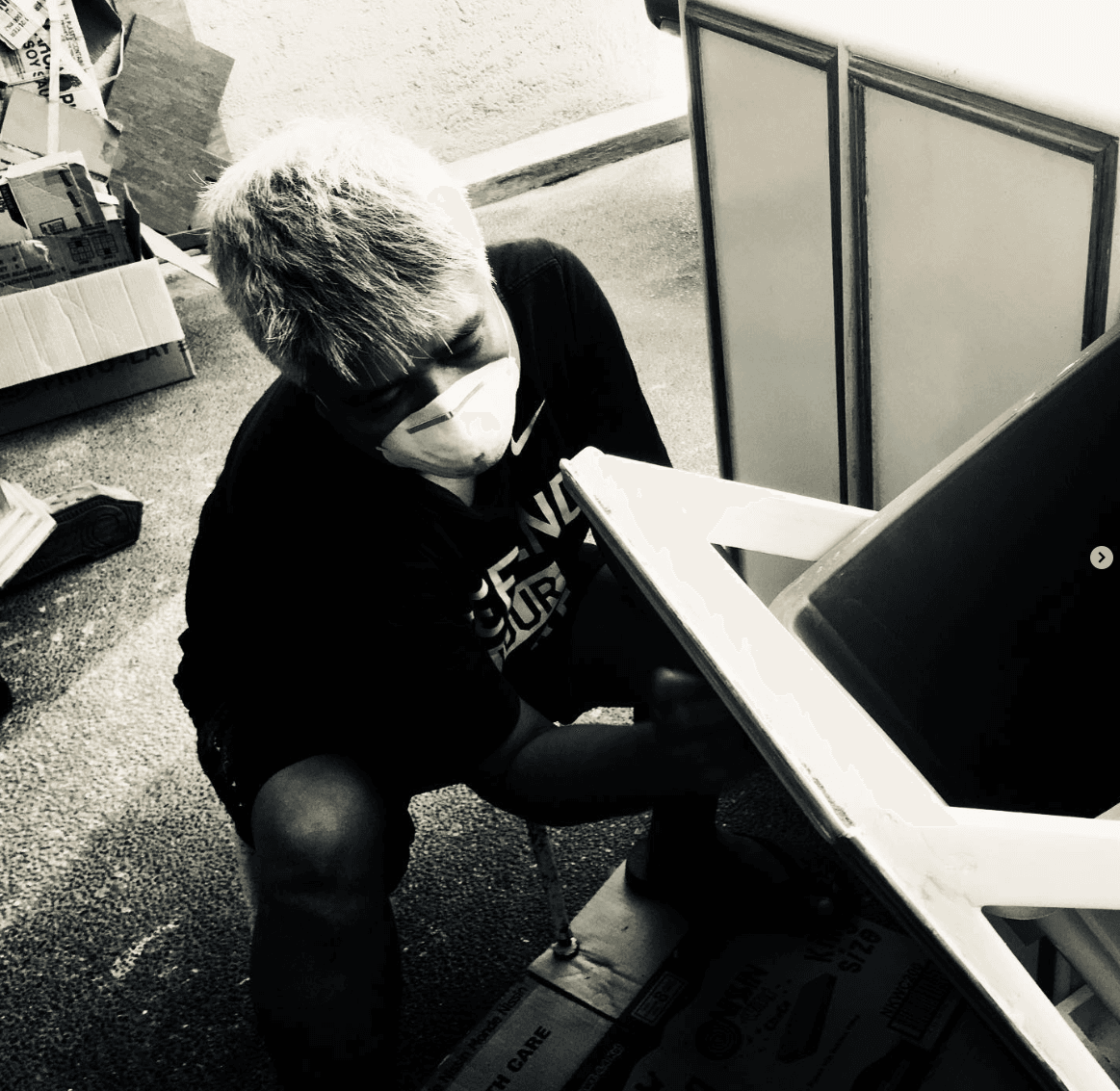
Aljed Alejo
Wood Artisan
Old Molave didn't start as a business. It started the way most good woodwork does — with scrap material, a bit of patience, and no real plan beyond making something with your hands.
What's changed since then is mostly scale, not approach. Every piece is still shaped, sanded, and finished by hand, one at a time — nothing here comes off a production line.
Why “Old Molave”
“It was a no-brainer that its name became mine too, because it is truly Filipino, and so unassuming in its simplicity, reliability and inner strength.”
— Aljed Alejo, on molave
How a piece gets made
01
Talk it through
Tell us what you're after — a board, a table, a custom engraving. We'll talk through wood, size, and timing before anything starts.
02
Shaped by hand
Every piece is cut, shaped, and sanded one at a time. The grain decides a lot of the final form, so no two come out identical.
03
Finished & sent
A hand-rubbed finish, a final check, and it's packed and on its way to you.
What we work with
- Philippine hardwoods — narra, yakal, kamagong, molave & tanguile. Read about the woods →
- Hand-cut, hand-sanded, hand-finished — no shortcuts
- No two pieces alike, by nature of the material
What we make
- Cutting boards, serving trays & charcuterie boards
- Dining tables, side tables & stools
- Custom engraving — names, dates, dedications
- Made-to-order pieces on request